
My personal take on this new crypto hardware wallet with regard to security, functions and competitor comparison.
After testing more than a dozen different hardware wallets over the last years, I’ve developed a fairly clear sense of what actually moves the needle and what is mostly marketing. I started with the original Ledger Nano S back in 2017, moved through several Trezor models, tried a couple of air-gapped devices that required constant cable swapping, experimented with early card-style wallets, and even used some newer Bluetooth-enabled options that promised convenience but introduced new attack surfaces. Each time I hoped the next one would finally solve the core tension: real security without turning everyday use into a chore. Most came close in one area and fell short in another. The Ryder One is the first device I’ve used that consistently feels like it was designed by people who have actually lived with these trade-offs for years. So maybe in this respect being a „late joiner“ on the market is not the badest thing.
Ryder was founded by a small team that has been active in crypto since 2013 and 2014. They worked on projects that helped shape parts of the industry we now take for granted, including early multi-chain marketplace infrastructure and efforts to expand what Bitcoin could actually do beyond simple transfers. They began with a modest $5,000 grant from the Stacks ecosystem and spent more than two years turning the initial idea into a finished product. Along the way they spoke with over 600 users, iterated on the physical design and recovery flow multiple times, and eventually launched through a community-focused campaign at Solana Breakpoint in 2023. By the time Ryder One reached production, the team had already presented their progress at the 2025 edition of the same event in Abu Dhabi. Today the company is securing millions of dollars in assets for users worldwide and is working toward what they describe as the first true crypto neobank: a self-custody experience that gives you the functionality of modern banking without any bank in the middle.
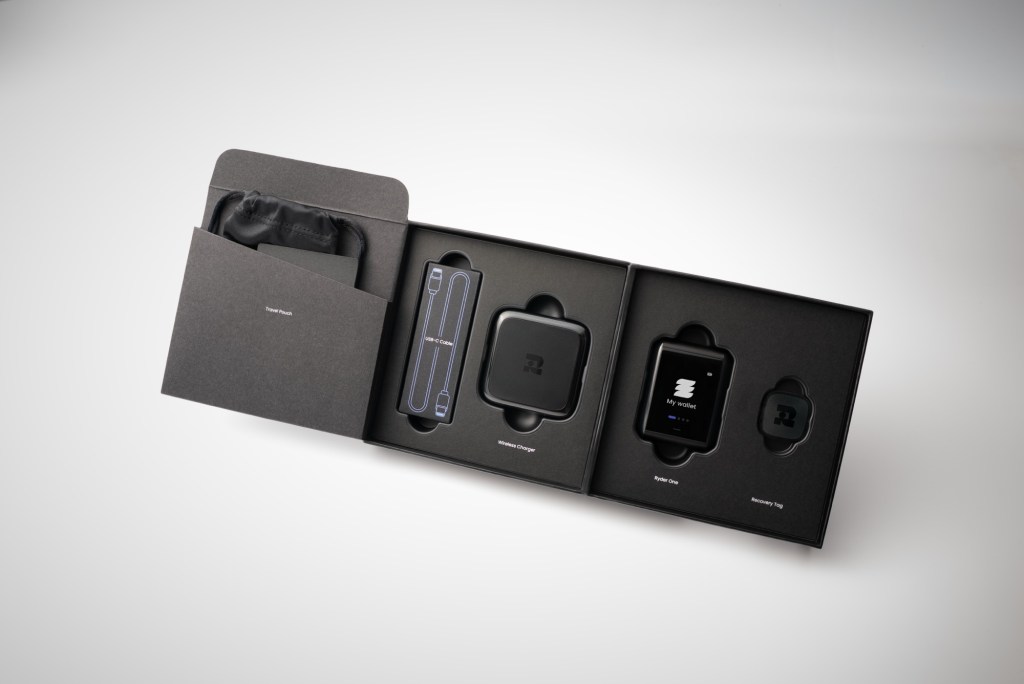
What impressed me first when I unboxed the Ryder One was how little it felt like a typical hardware wallet. The device is compact, has a clean industrial design that earned it the Red Dot Award for Product Design in 2026, and is rated IP67 for dust and water resistance. In practice that means I can carry it in a pocket or bag without worrying about a sudden rain shower or airport security bins damaging it. The build quality is noticeably higher than several devices I’ve owned that felt more like early prototypes than finished consumer products.

The security foundation starts with the Infineon SLC38 secure element. This is an EAL6+ certified chip—the same class used in electronic passports and other high-assurance applications—and it is manufactured in Germany. The entire device is designed to stay fully offline: no USB ports for data transfer during normal use, no Bluetooth, and no Wi-Fi. After years of seeing wallets that rely on Bluetooth connections or require you to plug them into potentially compromised computers just to sign transactions, the complete air-gapped approach feels like a meaningful step up in threat model. There is simply no wireless attack surface to exploit during daily operation.
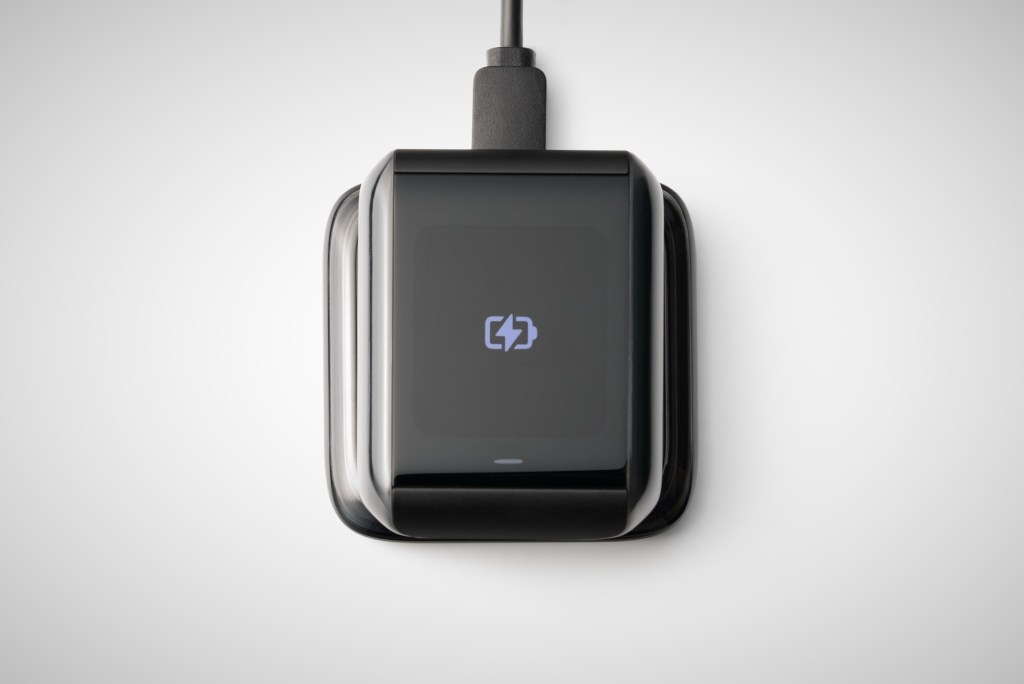
Independent validation matters a lot to me at this point. I’ve seen too many projects launch with big claims and then struggle when third-party researchers actually look under the hood. Ryder One was audited by Halborn in December 2025. Halborn is one of the more respected security firms in the space, and the fact that the audit was completed and made public before wide release gives the device a level of credibility that many competitors still lack even after several years on the market.
The feature that changes the daily experience more than anything else is the 1.6-inch AMOLED screen with 320 × 360 resolution. On most hardware wallets I’ve used, you confirm transactions on a tiny monochrome display or, worse, you approve them on your phone or computer while the hardware device only shows a generic “sign” prompt. With the Ryder One you see the actual transaction details in clear, human-readable text before you approve anything. You can check the recipient address, the exact amount, the network, and any additional parameters right on the device. After having to trust connected software on several previous wallets, being able to verify everything locally removes a layer of uncertainty that I didn’t fully appreciate until I experienced the difference. Don’t get me wrong. There is nothing wrong in general with relying on a blind signing mechanism but everyone should be aware of the downfalls of this convenience and consider this in risk assessment.

The recovery system, called TapSafe, is where Ryder’s engineering choices become most interesting for people who have been self-custodying for a while. Instead of forcing the traditional seed phrase backup during initial setup, Ryder uses a weighted secret-sharing approach inspired by Shamir’s Secret Sharing. The private key material is split in such a way that you can recover access through a combination of your phone, durable physical Recovery Tags, and designated Recovery Contacts. The tags themselves are rated for 25-year data retention, which is longer than most people will need. Importantly, none of the recovery methods require you to ever write down or store a full seed phrase in one place. Recovery Contacts can help you regain access if needed, but they never hold enough information on their own to move your funds. After watching friends and colleagues struggle with lost or damaged seed backups over the years, this distributed approach feels like a practical solution to a problem that has remained stubbornly unsolved for most hardware wallets.
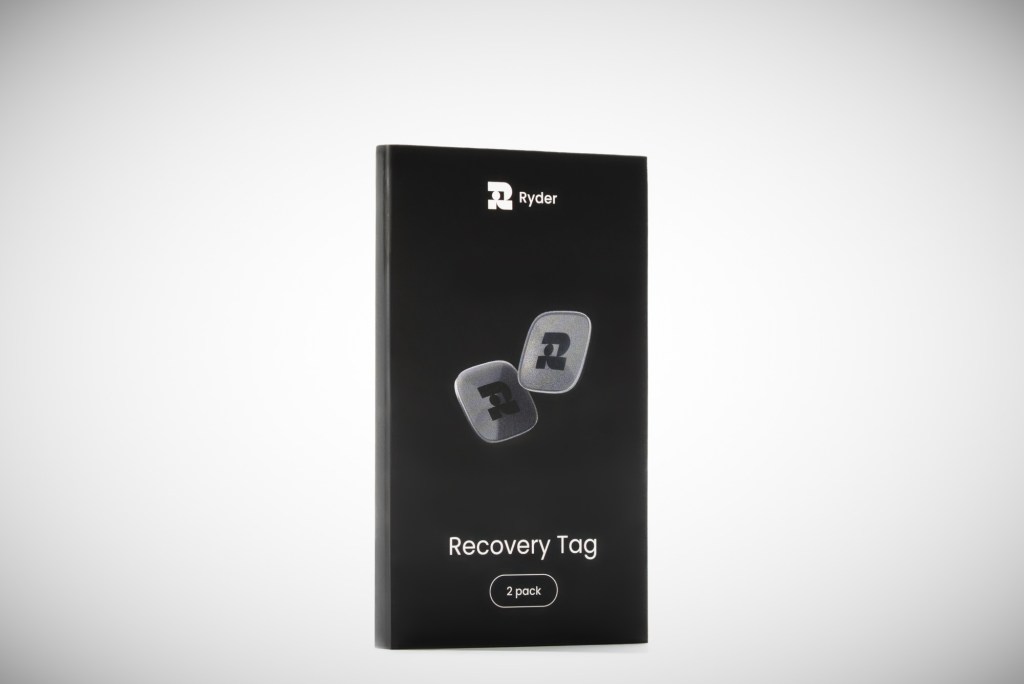
On the feature side, the Ryder One lets you buy, swap, and earn directly from the device. Purchases are powered by MoonPay, swaps across supported chains use MoonPay Trade, and you can earn yield on Solana and STX holdings today, with Bitcoin and Ethereum support planned. Current asset coverage includes Bitcoin, Solana, Ethereum, major tokens on those networks, and XRP support is in progress. Everything stays within the self-custody model; your private keys never leave the secure element. For someone who already moves assets regularly, having these functions available without needing to connect to additional services or trust another interface is genuinely useful.
When I compare the Ryder One directly to devices I’ve used for years, the differences become clearest in the areas that matter most for daily operation. Coming from a Ledger, the biggest upgrades are the much larger and clearer screen for transaction verification and the dramatically simpler onboarding process. Ledger’s recovery still relies on the classic seed phrase workflow, and while the hardware security is solid, the user experience has always felt dated compared with what modern devices can deliver. The Ryder One keeps comparable or stronger hardware protections while removing most of the friction. If you’ve ever spent twenty minutes carefully transcribing and verifying a seed phrase only to worry about where you stored the backup, the TapSafe approach feels like a genuine relief.
Against something like Tangem, the Ryder One offers significantly stronger hardware security guarantees through the screen and fully offline design. Tangem’s card format is extremely convenient for some people, but it trades away some of the protections that matter once you’re holding larger amounts. The Ryder One gives you that extra layer without making the device feel bulky or complicated to use. You get the simplicity many people liked about card wallets, but with the security posture that serious users have come to expect from devices like Ledger or Trezor.
The setup experience itself is one of the quickest I’ve encountered. After the initial pairing with the companion app, the device guides you through creating your wallet using the TapSafe flow. There is no long seed phrase to write down or verify multiple times. Within a couple of minutes the wallet is ready, and recovery options are already configured. For someone who has set up and reset multiple wallets over the years, the speed and reduced cognitive load stand out immediately.
In daily use the combination of the screen and offline architecture makes signing transactions feel more deliberate and less stressful. I no longer have to second-guess whether the address I’m seeing on my phone matches what the hardware is actually signing. Everything is confirmed locally on the device. The IP67 rating and solid build also mean I don’t hesitate to carry it with me when traveling, something I couldn’t always say about earlier devices that felt more fragile.
For the core audience of crypto users who have been self-custodying since 2016–2018 and already own a Ledger or Trezor, the Ryder One represents a clear upgrade path. It doesn’t require you to relearn self-custody fundamentals, but it removes several longstanding pain points around recovery and transaction verification. The Halborn audit and the choice of Infineon hardware provide the technical reassurance that matters once you’ve seen enough projects come and go. At the same time, the TapSafe recovery system and streamlined interface mean you’re not adding new complexity to your routine.
The device also makes sense for frequent travelers. When you’re crossing borders regularly or moving between temporary accommodations, the idea of carrying a single point of failure like a written seed phrase becomes increasingly uncomfortable. With TapSafe you can distribute recovery options across your phone, durable tags stored in different locations, and trusted contacts back home. You can travel lighter mentally because losing or damaging one component doesn’t mean losing access.
For people who are still holding assets on exchanges but have been hesitant to move to self-custody, the Ryder One lowers the barrier without compromising on security. The recovery options feel more approachable than traditional seed phrases, and the clear on-device verification reduces the fear of making a costly mistake during a transaction. The inheritance angle is worth mentioning here as well: many users in their thirties and forties are starting to think about what happens to their holdings if something unexpected occurs. The ability to designate Recovery Contacts who can assist without ever gaining unilateral control provides a practical way to plan for that scenario without giving up ownership.
Ryder’s longer-term vision extends beyond the current hardware wallet. The team is building toward a full self-custody financial experience where users can send money globally, earn on their holdings through DeFi, swap assets instantly, and access lending and borrowing—all from interfaces that feel as straightforward as modern banking apps, but without any centralized intermediary holding the keys. The Ryder One is the hardware foundation for that vision. It keeps your assets secure while the software layer handles the usability that most people expect in 2026.
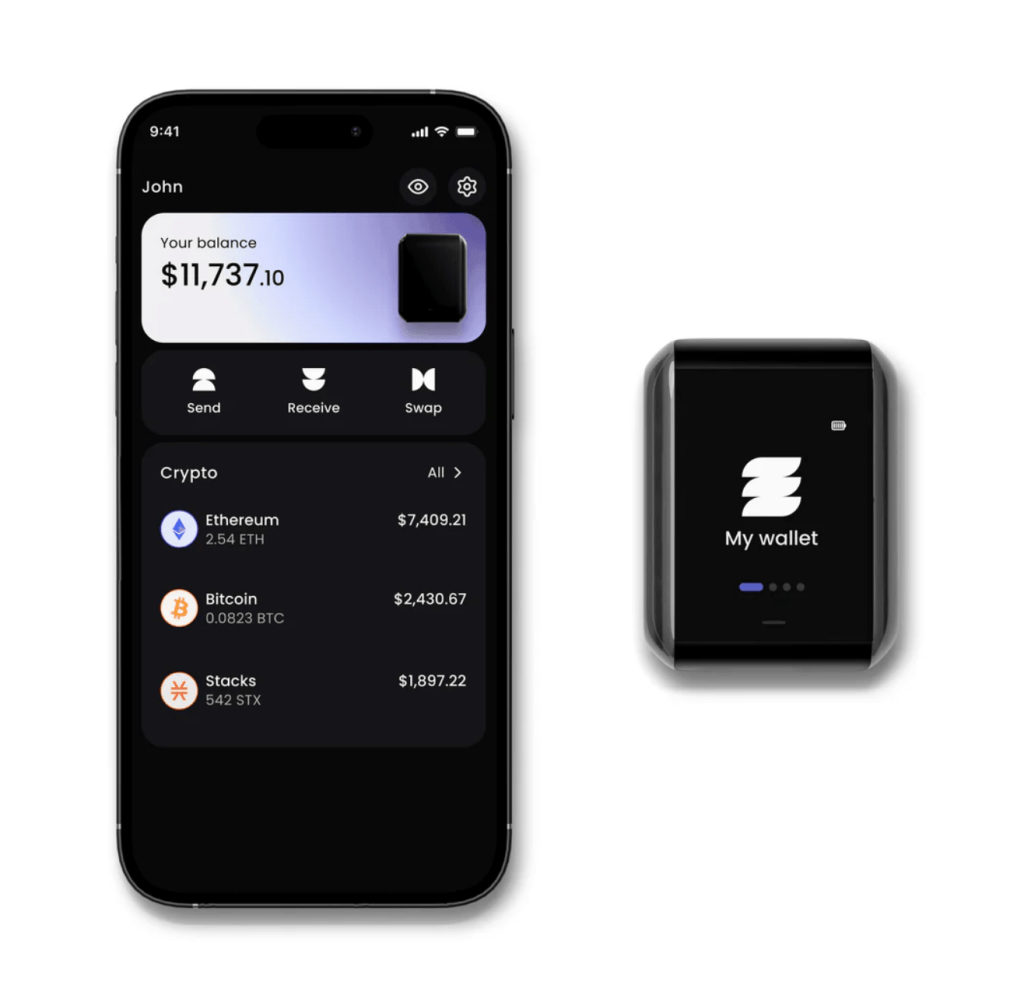
After spending several weeks using the Ryder One alongside my existing wallets for comparison, the differences have become even more apparent in real workflows. I find myself reaching for it more often because the verification step no longer feels like an extra chore. The recovery options give me more confidence that I won’t be locked out if a device fails or gets lost. And the overall build quality makes it something I’m comfortable carrying every day rather than keeping in a drawer.
There are still areas where no hardware wallet is perfect. Asset support continues to expand, and some advanced DeFi interactions will still require connecting to external interfaces. But within the current scope of supported chains and on-device functions, the Ryder One delivers a more complete experience than anything else I’ve tested at this price and form factor.
If you already own a Ledger or Trezor and have been waiting for a device that improves on the daily experience without asking you to accept weaker security, the Ryder One is worth serious consideration. If you travel frequently or simply want recovery options that don’t revolve around a single piece of paper, it addresses problems that have persisted across the category for years. And if you’re still on the fence about moving assets off an exchange, the combination of audited hardware, clear transaction verification, and flexible recovery makes self-custody feel more accessible than it has with most previous devices.
After years of testing wallets that each solved part of the problem, the Ryder One is the first one that feels like it was built with the full picture in mind. It respects the security requirements that experienced users demand while finally delivering the usability that has been missing for too long. For me, that combination is what makes it stand out.
If you want to give the Ryder One wallet a shot you can get it globally from their web shop. With code SASCHA you will enjoy 20% discount.
rendite.cloud – your finance blog
Affiliate Links. If you purchase one of the products we might receive a commission.


Hinterlasse einen Kommentar