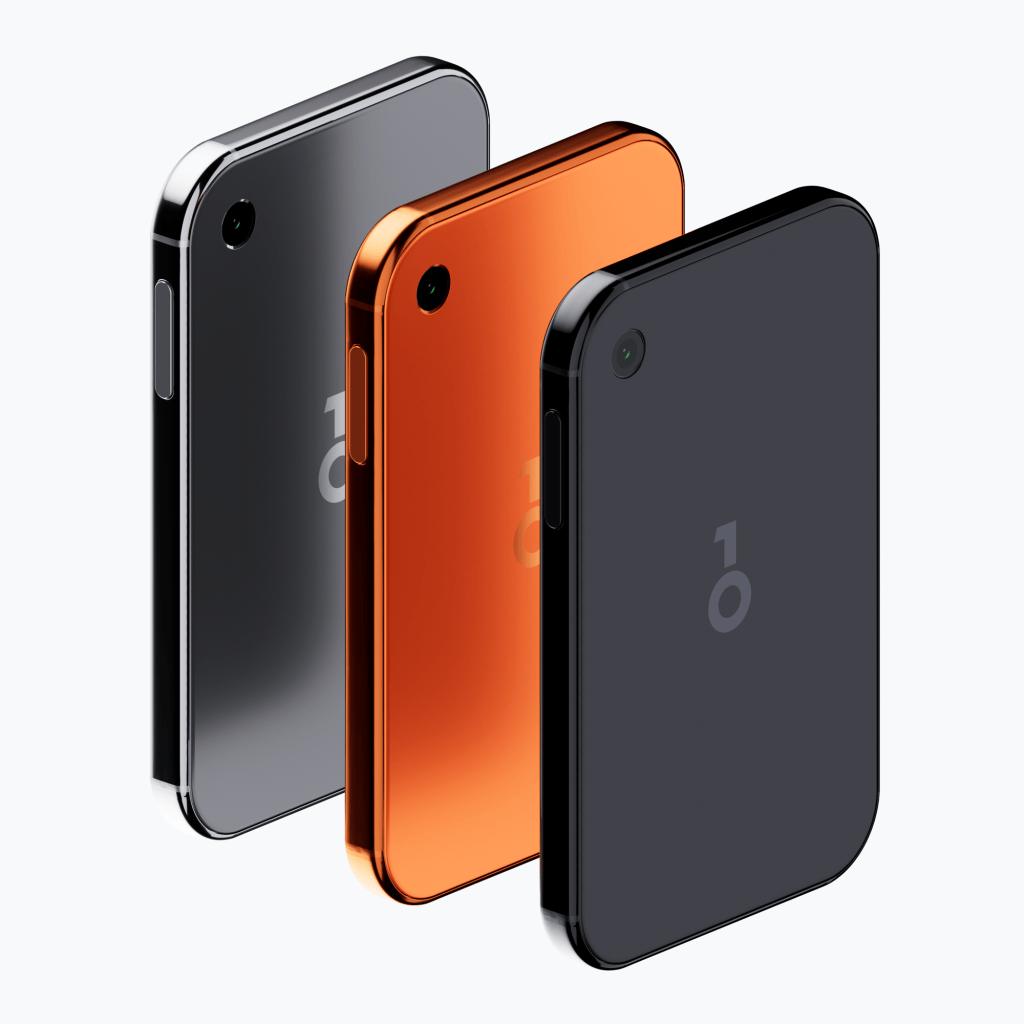
The OneKey Pro 2, launched in October 2026 as OneKey’s flagship hardware wallet, incorporates several architectural and software measures intended to protect private keys and reduce risks during transaction signing. At the core of its design are four secure elements certified to Common Criteria EAL6+, specifically THD89 chips from Tongxin Microelectronics. According to OneKey and the publicly released Keylabs audit of the device, three of these chips handle key storage, cryptographic operations, and BIP-32 derivation on-chip, while the fourth stores fingerprint templates. Private keys are generated and used for signing entirely within these certified boundaries and do not leave them during normal operation. The separation of functions across independent chips is presented as a way to limit the impact of a compromise of any single component.
Complementing the hardware boundary is Clear Signing on the device’s 3.54-inch AMOLED touchscreen. Rather than requiring users to approve raw hexadecimal data, Clear Signing renders supported transactions in human-readable form, displaying amounts, recipient addresses, assets, and the scope of any permissions or approvals before confirmation. This on-device verification step is intended to help users detect malicious or unexpected contract interactions before they authorize a signature.
SignGuard, integrated into the companion OneKey App, adds a layer of proactive risk assessment before a transaction reaches the device. It includes site scanning for phishing domains and risky decentralized applications, simulation of transaction outcomes to preview balance changes, checks for unlimited token approvals, fake tokens or honeypot contracts, and Know-Your-Transaction style analysis of recipient addresses and fund sources. Alerts generated by these checks can be reviewed prior to signing.
For users seeking maximum isolation, the Pro 2 supports air-gapped QR signing via its built-in camera. When air-gap mode is enabled, USB, Bluetooth, and NFC data channels are disabled, and transactions are exchanged solely through QR codes displayed on a connected computer or phone and scanned by the wallet. The signed response is returned as another QR code, so no network or cable link is established between the wallet and the host during the signing process.
Authentication combines a PIN with a fingerprint sensor integrated into the power button. The PIN is managed with attempt limiting and exponential backoff handled inside the secure elements, providing resistance to brute-force attacks even if the main microcontroller is compromised. A configurable wipe code can trigger erasure of sensitive data after repeated failures. Fingerprint matching itself runs on the main microcontroller after PIN unlock, with templates stored on a dedicated secure element; this arrangement speeds everyday access while retaining the PIN as the foundational factor.
The software stack, including safeOS 2 and the OneKey App, is described by OneKey as open source and has been subjected to independent audits by SlowMist and Keylabs. The Keylabs report, covering hardware and firmware and retested on the production 1.0.0 release, identified no critical or high-severity issues after remediation of earlier medium findings. Firmware signatures are verified on every boot as part of a secure-boot process, helping to prevent the execution of unauthorized code.
Recovery options extend beyond a standard BIP-39 mnemonic. The device supports SLIP-39 Shamir secret sharing through 20-word shares and optional passphrases that create hidden wallets. Every Pro 2 ships with a OneKey SeedCard, an NFC card that stores an encrypted copy of the recovery phrase protected by its own PIN; restoration is performed by tapping the card to the device and entering the PIN.
The Pro 2 also functions as a FIDO2-certified Passkey authenticator over USB-C, allowing it to serve as a hardware security key for websites and services that support the standard. This extends the device’s role beyond on-chain signing to account login protection, so that possession of the physical wallet can be required even if passwords are compromised.
Anti-counterfeit packaging, first-use verification, and the ability to export entropy used during seed generation for independent quality testing further support supply-chain and setup integrity. OneKey states that sensitive data can be erased automatically in response to detected abnormal activity. While the company describes the architecture as quantum-ready and has indicated that main firmware verification uses the ML-DSA post-quantum signature scheme, independent reviews note that detailed algorithm mappings and audit scopes for all cryptographic functions have not been fully published. Overall, the combination of multi-secure-element isolation, on-device clear verification, offline signing options, and audited open-source components forms the primary security posture of the OneKey Pro 2.
Read more
OneKey Pro 2 Wallet: Unboxing, Test, and First Impressions
rendite.cloud – your finance blog
Affiliate Links. If you purchase one of the products we might receive a commission.


Kommentar verfassen