Read all you need to know about the latest hardware wallet from OneKey.
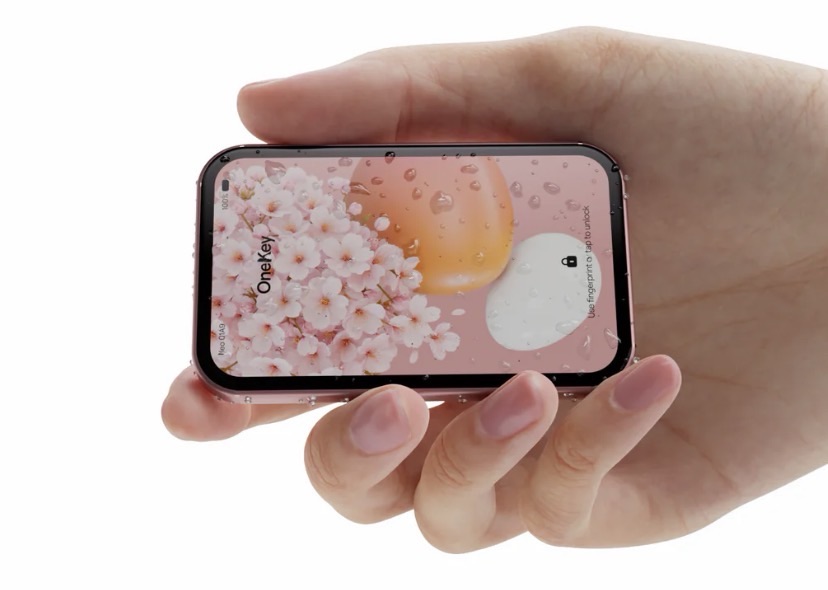
When you first pick up the OneKey Neo, the thing that strikes you most is how deliberately it has been shaped for the hand rather than for a specification sheet. The G3 curves along the edges settle into the palm with an almost casual familiarity, the sort of contour that makes you forget you are holding a security device at all. At 6.2 millimeters thick and roughly 51 grams, it disappears into a jacket pocket the way a slim cardholder does, yet the anodized aluminum frame gives it a quiet rigidity that the lighter plastic wallets never quite manage. You run a thumb across the fiberglass back and feel the subtle texture that resists both scratches and the smooth slide that usually ends with a device on the floor; Corning Gorilla Glass 5 covers the 3.54-inch AMOLED face, so the screen that greets you when you wake it does not immediately collect the fine marks that accumulate on ordinary glass. Four colorways are offered, each finished so that the aluminum edge catches light differently from the fiberglass rear, and the option to have a short name or phrase engraved means the device can leave the factory already looking like it belongs to you rather than to a generic product line. The tagline “Your Crypto. Your Style” is not marketing filler here; the materials and proportions actually deliver on the promise that a hardware wallet can be carried every day without announcing itself as one.
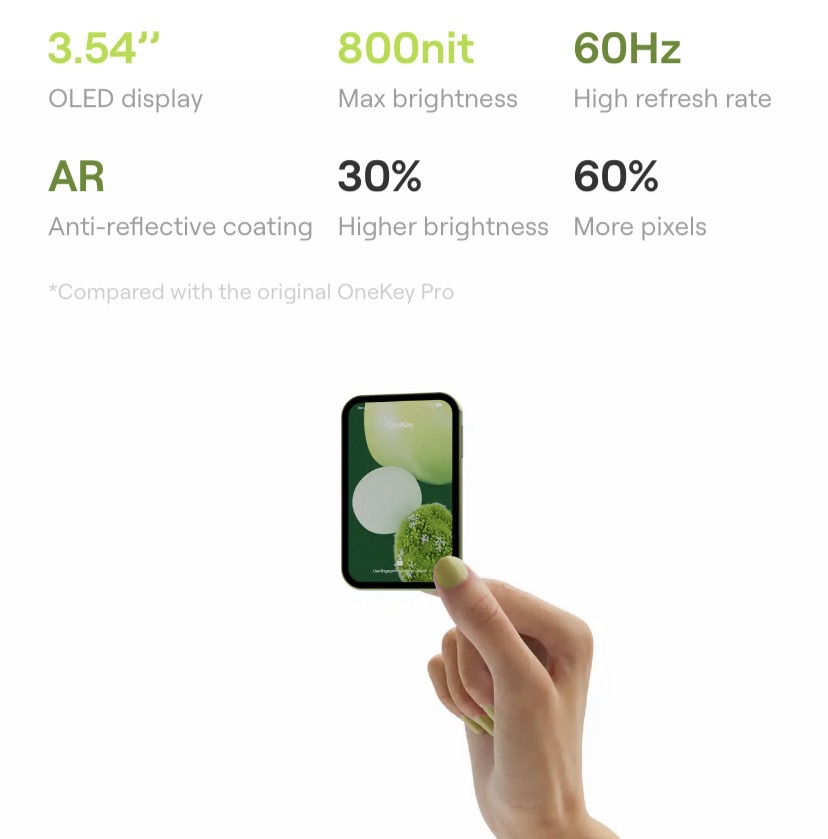
That same screen, bright enough at 800 nits to remain legible beside a sunlit window and sharp at 336 PPI, becomes the center of the experience once the device is powered on. safeOS 2 is the operating system that runs underneath, rebuilt so that frame rates rise by more than 60 percent compared with earlier OneKey firmware. Scrolling through an account list or watching a transition therefore feels continuous rather than stepped. You can set a custom wallpaper, and the interface uses larger, clearer icons that make the status of each account immediately readable. Because the portfolio view lives on the device itself, you see balances across the chains you actually hold without having to open the companion app every time you want a quick check. Account status and key-related changes are mirrored from the OneKey App, so the hardware never falls out of step with the software you use on your phone or laptop. The result is that the Neo functions less like a signing dongle you fetch from a drawer and more like a small, trusted display you keep nearby.
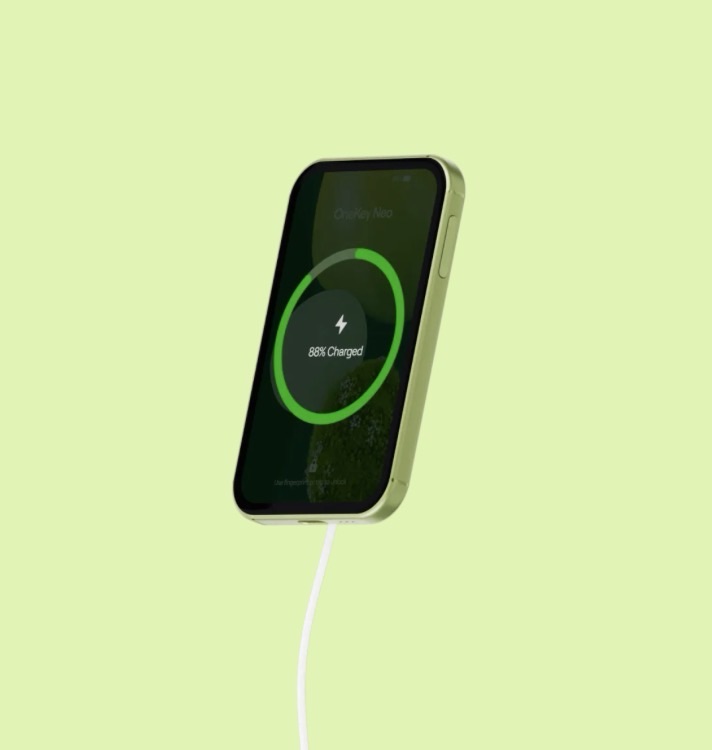
Battery life supports that daily role. The 700 mAh cell is 30 percent larger than the one in the first-generation OneKey Pro, and both wireless charging and USB-C are available. You set the device on a pad overnight or plug it in for a few minutes and the charge returns without ceremony. IP56 dust and splash resistance further reduces the hesitation you might feel about carrying it outside; a light rain or the grit of a pocket does not immediately become a threat. Core components carry the automotive-grade AEC-Q100 reliability rating, which is not something you notice in ordinary use yet contributes to the sense that the device is built for repeated cycles rather than for occasional, careful handling.
Security is where the design decisions become less visible and more consequential. Two THD89 secure elements, each certified EAL6+, keep private keys and the PIN in separate hardware domains. Generation and signing occur entirely inside those chips; the key material never leaves the silicon. When you confirm a transaction on the screen, you are looking at data that has already been processed within that isolated boundary. Clear Signing translates the raw transaction payload into readable fields—addresses, assets, amounts, and permission scopes—so you are not asked to approve a string of hex that you cannot interpret. SignGuard, operating in the OneKey App, adds a second layer before the request even reaches the device: Site Scan flags phishing domains and risky dApps, approval and asset-risk checks highlight unlimited permissions, fake tokens, and honeypot contracts, transaction simulation shows the expected balance changes, and KYT evaluates the recipient address and the history of the funds involved. You therefore see both the human-readable intent and the risk flags before you press confirm.
The software and firmware are open source, with independent audits from SlowMist and Keylabs. You can export the device’s entropy data and verify the quality of the randomness used during key generation. The architecture is described as quantum-ready, incorporating quantum-resistant cryptography so that future advances in computing do not immediately render the stored keys obsolete. Security updates are guaranteed for at least five years, and the product is positioned to meet the requirements of the EU Cyber Resilience Act. Tamper-resistant construction, anti-counterfeit packaging, and a first-use verification step give you a practical way to confirm that the unit you receive has not been altered in transit. Should abnormal activity be detected, the device erases its secrets automatically. Recovery remains possible through the standard seed phrase or through an optional SeedCard, so loss or damage of the physical unit does not equal permanent loss of the assets if you have followed the backup procedure.
Functionally, the Neo is intended to work as the hardware half of the open-source OneKey App. The app manages more than 100 blockchains and supports crypto alongside tokenized US stocks, gold, and forex instruments. On eligible transactions the app can cover gas fees, removing the need to keep a separate balance of the native token solely for fees. Private transfers reduce the on-chain linkage that would otherwise accumulate from routine activity. No identity verification is required for the trading features inside the app. If you meet certain trading targets after setup, exclusive Neo rewards valued at $64 become available, consisting of $5 in BTC plus a KeyTag worth $59. Engraving remains an optional personalization step at purchase. Connectivity is handled over Bluetooth, USB-C, and NFC; there is no camera, so air-gapped QR signing is not available, and unlock is by PIN rather than fingerprint. The same platform also serves as a FIDO2-certified Passkey authenticator when connected over USB-C, giving you hardware-backed two-factor authentication for ordinary web accounts in addition to crypto use.
In practice you notice the difference most clearly when you compare the Neo with earlier or lower-tier devices. The larger AMOLED panel shows a full 42-character address or a complex smart-contract call without forcing you to scroll through fragmented lines. Because the portfolio view is local to the device, a quick glance tells you whether a recent transfer has already settled across chains. The smoother safeOS 2 animations make the confirmation flow feel less like a security checkpoint and more like a familiar phone interaction, yet the dual secure elements and Clear Signing remain present underneath. The open-source nature of both the firmware and the app means that the code path from the App’s risk checks to the device’s signing routine can be inspected by anyone who wishes to do so; the published audits provide an external reference point for that inspection. You still need to keep the seed phrase offline and treat the PIN with the same care you would give any other high-value credential, but the device itself removes several of the ordinary points of failure that appear when keys live on a general-purpose phone or computer.
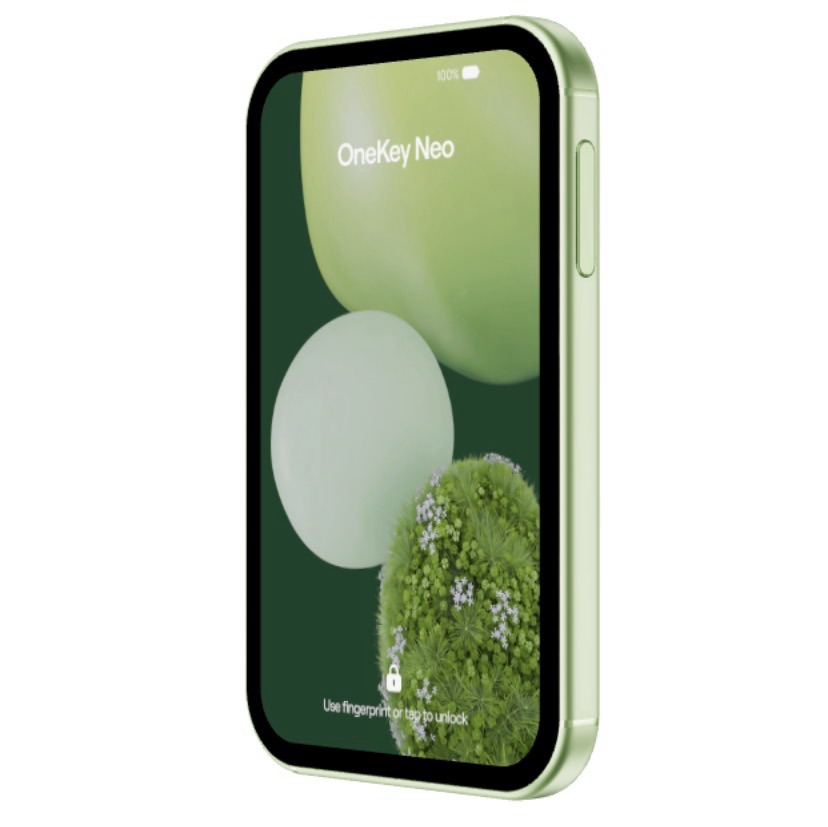
Over repeated days of use the materials continue to matter. The fiberglass back does not pick up the oily residue that glass sometimes retains, and the aluminum frame shows no flex when you apply ordinary pocket pressure. Wireless charging means you stop thinking about cables after the first week. The screen stays bright enough that you can confirm a transaction outdoors without hunting for shade, and the higher pixel density keeps small text from dissolving into blocks. Because the Neo shares its core architecture with the flagship Pro 2, the software experience and the security boundary feel consistent; the differences are mainly the absence of the fourth secure element, the camera, and the fingerprint sensor, choices that keep the price at $179 and the thickness at 6.2 millimeters. For most daily signing and portfolio checks those omissions are not felt. The dual EAL6+ chips still isolate keys, Clear Signing still renders the transaction in plain language, and SignGuard still surfaces risks before the request leaves the App.
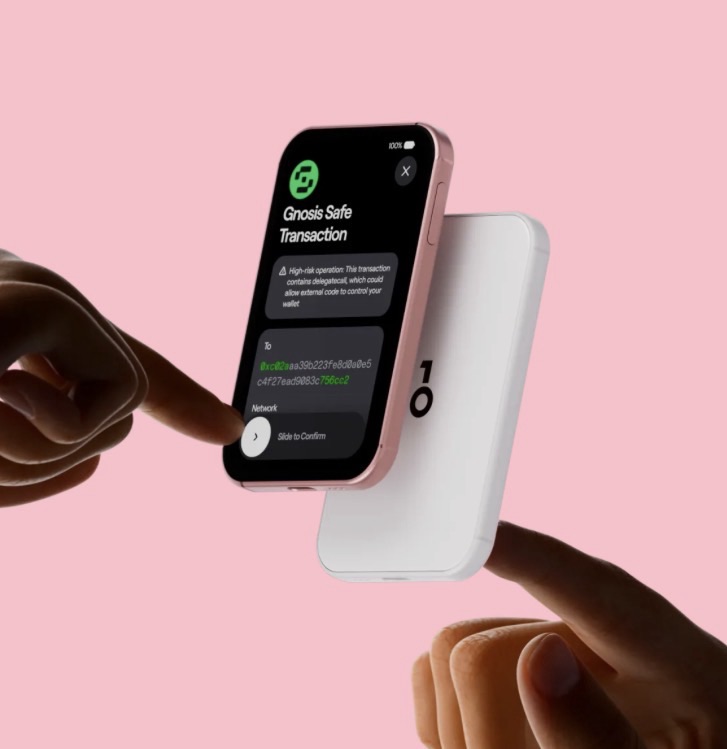
The combination of everyday form and serious hardware security is what the Neo ultimately offers. You carry a device that looks and feels like a personal object rather than a specialized tool, yet the private keys remain inside certified secure elements that never expose them to the connected computer or phone. Transaction details appear in readable form on a screen large and sharp enough to make verification practical, while the companion App adds layers of risk detection that operate before you ever reach the confirmation screen. Open-source firmware, published audits, entropy export, and a five-year update commitment give you concrete ways to examine and maintain that security over time. Wireless charging, IP56 protection, and a battery sized for regular use remove the friction that often keeps hardware wallets in drawers. If you have been looking for a wallet that can live in the same pocket as your phone without forcing a compromise between style, convenience, and the isolation of private keys, the Neo is built around exactly that intersection. The four color options and the engraving service simply make the ownership feel complete once the technical decisions have already been made.
Read more OneKey wallet reviews
- OneKey Pro crypto hardware wallet review 2026
- OneKey Pro 2 Wallet: Unboxing, Test, and First Impressions
rendite.cloud – your finance blog
Affiliate Links. If you purchase one of the products we will might receive a commission.


Kommentar verfassen